


![AutoFull G7 Ergonomic Gaming Chair [🍂Autumn Special Offer] AutoFull US](http://www.autofull.com/cdn/shop/files/gaming_chair_1_c5f546de-af69-4926-b5e4-a859ea893772.jpg?v=1777458714&width=70)


![AutoFull M6 Ultra Gaming Chair & A4 Pro Gaming Desk Bundle [💥Combo Off] AutoFull US](http://www.autofull.com/cdn/shop/files/20251109-150955.jpg?v=1762672537&width=70)
![AutoFull G7 Gaming Chair & A4 Pro Gaming Desk Bundle [💥Combo Off] AutoFull US](http://www.autofull.com/cdn/shop/files/20251109-151002.jpg?v=1762672486&width=70)
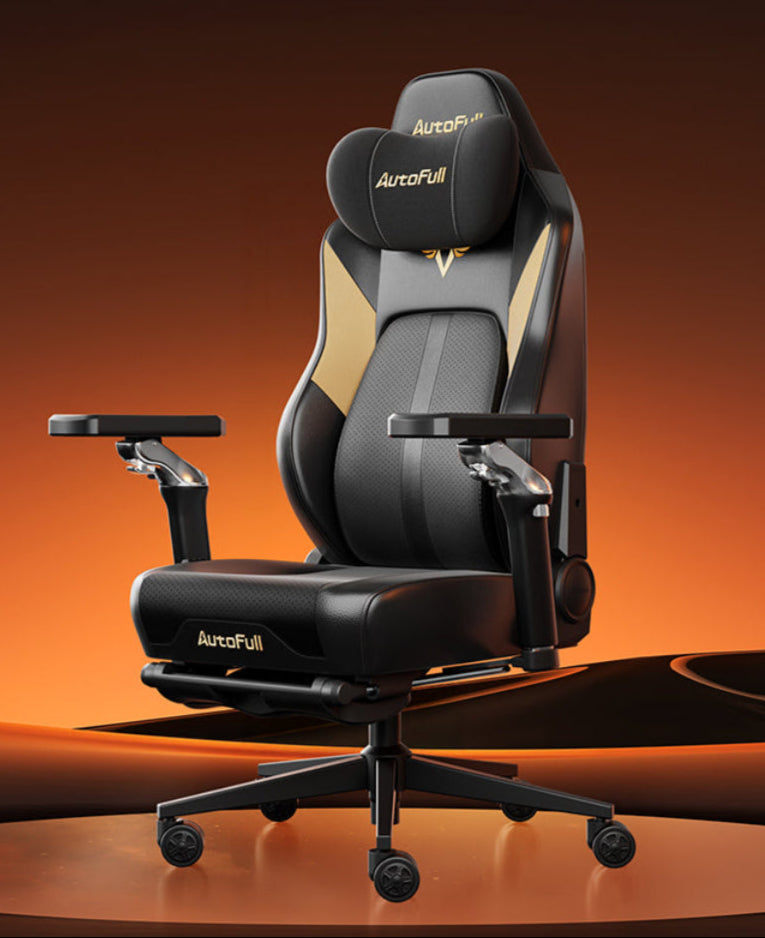


A gaming chair can cost anywhere from under $100 to well over $600, and the gap is not just branding. Price usually reflects build quality, ergonomics, adjustment range, materials, and warranty support. If you are comparing a gaming desk chair, a computer gaming office chair, or a more premium model, this guide breaks down what you actually get at each price level and where the real value starts.
What does a gaming chair typically cost?
For most buyers, gaming chairs fall into three practical price tiers:
- Budget: about $100–$200
- Mid-range: about $200–$450
- Premium: $450 and up
Those ranges match what you can see in the market today. Entry-level IKEA gaming chairs sit around $89.90 to $149, while premium chairs are positioned much higher and emphasize advanced lumbar support, materials, and longer-term comfort. This means the real question is not only “How much does a gaming chair cost?” but also “What level of support and durability do I need for the hours I actually sit?”
The budget tier ($100–$200): What should you expect?
If your budget is limited, this is where most first-time buyers start. A budget gamer computer chair usually gives you the racing-style look, a high back, height adjustment, and a basic recline or tilt function. Some models also include fixed or lightly adjustable armrests and a head pillow.
At this level, the biggest trade-off is usually ergonomics. Budget gaming computer chairs often focus more on appearance than on adaptive lumbar support, seat depth adjustment, or armrest flexibility. Materials also tend to be simpler, such as basic foam, bonded leather, or standard fabric. Over time, those choices can affect comfort, especially if you sit for long sessions.
This tier can still make sense in a few situations:
When a budget chair is enough
A lower-cost chair may be fine if:
- You game only for a few hours at a time
- You want a starter setup for a bedroom or dorm
- You care more about style than advanced support
- The chair will not be used as your full-time work seat
For example, if you mainly play on weekends and do not sit at the desk for eight hours a day, a basic gaming desk chair may be enough for now.
Where buyers get disappointed
The common complaints in this range are:
- flatter or thinner seat padding
- limited lumbar adjustment
- armrests that only move up and down, or not at all
- weaker casters or bases
- shorter warranties
So yes, you can find a computer gaming office chair in this range, but you should expect basic comfort rather than long-session ergonomic support.
The mid-range tier ($200–$450): Why is this the sweet spot?
For many buyers, this is the best balance between price and long-term use. In this range, chairs often start adding the features that actually improve posture and daily comfort: better foam, more stable frames, stronger bases, improved upholstery, and more useful armrest adjustment.
This is also the price band where a gamer computer chair starts to feel less like a decorative setup piece and more like a serious seat for gaming plus work.
What features become more common here?
In the mid-range tier, you are more likely to see:
- denser seat foam
- improved lumbar systems
- 2D, 3D, or even 4D armrests
- better recline mechanisms
- stronger metal bases or frames
- more breathable materials such as upgraded fabric or mesh sections
Who should buy in this range?
This tier is a strong fit if:
- You use the chair for both gaming and work
- You sit 5–10 hours per day
- You want better back support without paying top-tier prices
- You are comparing a computer gaming office chair against a standard office chair and want one product for both
For many people, the practical choice is not the cheapest chair or the most expensive one. It is the mid-range option that gives you meaningful ergonomic upgrades without crossing into luxury pricing.
The premium tier ($450+): What are you paying for?
Once you move past $450, the price increase is usually tied to engineering, refinement, and material quality rather than simple aesthetics. Premium chairs often focus on advanced lumbar systems, premium upholstery, broader adjustability, longer warranties, and stronger long-term support.
At this level, a gaming desk chair may include:
- advanced lumbar mechanisms with more precise adjustment
- premium synthetic leather, Alcantara-style finishes, or high-end breathable materials
- stronger support structures
- better pressure distribution in the seat base
- more polished recline and tilt systems
AutoFull is one premium brand worth considering if you want stronger ergonomics, better materials, and a more refined build.
Who actually benefits from a premium chair?
A premium chair makes the most sense if:
- You spend long hours gaming every day
- The chair is also your full-time office chair
- You have back pain or posture concerns
- You want better long-term durability and support
- You are replacing chairs too often and want a better purchase
This is also where buyers start comparing premium gaming computer chairs with ergonomic office seating rather than only with other gaming models.
What actually drives the price of a gaming chair?
If two chairs look similar in photos but cost very different amounts, the main price drivers are usually below the surface.
Materials
Material quality affects both comfort and lifespan. Lower-priced chairs often use simpler synthetic coverings and lighter padding. Higher-end chairs may use better fabric, stronger leatherette, or premium finishes designed to last longer under daily use.
Adjustability
A cheaper chair may only adjust in height and tilt. A better computer gaming office chair often adds:
- lumbar adjustment
- deeper recline control
- multi-direction armrests
- more stable tilt tension
That matters because adjustability is what lets the chair fit your body, not just your desk.
Frame and base strength
The hidden parts matter. Heavier-duty frames, stronger cylinders, and more durable caster bases usually raise the price, but they also improve stability and long-term performance.
Brand support and warranty
Some of the price premium comes from after-sales support and warranty coverage. A longer warranty does not guarantee comfort, but it often signals that the brand expects the chair to last longer.
Added styling and tech
Some buyers specifically want an RGB gaming chair or more aggressive gaming aesthetics. These design elements can raise the price, but they do not always improve ergonomics. If you like the look of an RGB gaming chair, make sure the lighting or styling is not distracting you from support features like lumbar design and seat comfort.
Is a more expensive gaming chair always better?
No. A higher price does not automatically mean a better fit.
A tall person, a lighter user, and someone with a wider frame may all need different seat dimensions and backrest support. In practice, the best value comes from matching the chair to your body size, daily use, and adjustment needs.
That is why buyers often search for a mouse with DPI or run a mouse test DPI when tuning performance gear, but a chair works differently. You are not optimizing a spec number. You are choosing a seat that supports posture, movement, and comfort over time.
A flashy rgb gaming chair may look great in a setup photo, but if the seat is too narrow or the lumbar support is too fixed, the chair may still be the wrong buy.
Value vs. price: Why is a gaming chair a long-term health investment?
A chair affects more than gaming style. It affects how you sit, how often you shift position, and whether your lower back, shoulders, and hips stay comfortable over long sessions.
When a cheap chair costs more later
A lower-cost chair can become more expensive over time if:
- The foam flattens quickly
- the surface cracks or wear early
- The armrests loosen
- You end up replacing it in a year or two
When paying more makes sense
Paying more can be justified if the chair:
- supports your posture better
- reduces fatigue during long sessions
- lasts longer before showing wear
- works for both gaming and work
For many households, the smarter buy is not the cheapest gamer computer chair, but the one that still feels supportive after months of daily use.
How should you choose the right price tier?
A simple way to choose is to start with your real use case.
Buy a budget if:
- You game casually
- The chair is for a secondary setup
- You want the style of gaming computer chairs without a major spend
Buy mid-range if:
- You use one chair for gaming and work
- You care about back support and adjustment
- You want a better computer gaming office chair without entering luxury pricing
Buy premium if:
- You sit for long hours daily
- Comfort and support are priorities
- You want top materials, refined ergonomics, and longer-term value
Find Your Perfect Gaming Chair Now
A gaming chair typically costs $100 to $200 at the entry level, $200 to $450 in the sweet spot, and $450+ for premium models. The right choice depends on how long you sit, how much support you need, and whether the chair is only for gaming or also for work. If possible, prioritize fit, adjustability, and durability over looks alone.
FAQs about gaming chair buying decisions
Is a cheap gaming chair worth it?
Yes, if you use it lightly or need a starter setup. For daily long sessions, a mid-range chair usually offers better support and durability.
What is the best price range for most buyers?
For most people, $200 to $450 is the best balance of comfort, build quality, and useful adjustability.
Are gaming chairs better than office chairs?
Not always. Some are mainly style-focused. The best choice depends on ergonomics, support, and how long you sit each day.
Does an RGB gaming chair cost more?
Sometimes. RGB lighting or stronger visual styling can increase the price, but it does not always improve comfort or ergonomics.
How long should a gaming chair last?
That depends on materials, daily use, and build quality. A better-made chair with strong support and a solid frame should generally last longer than a low-cost entry model.


