


![AutoFull G7 Ergonomic Gaming Chair [🍂Autumn Special Offer] AutoFull US](http://www.autofull.com/cdn/shop/files/gaming_chair_1_c5f546de-af69-4926-b5e4-a859ea893772.jpg?v=1777458714&width=70)


![AutoFull G7 Gaming Chair & A4 Pro Gaming Desk Bundle [💥Combo Off] AutoFull US](http://www.autofull.com/cdn/shop/files/20251109-151002.jpg?v=1762672486&width=70)
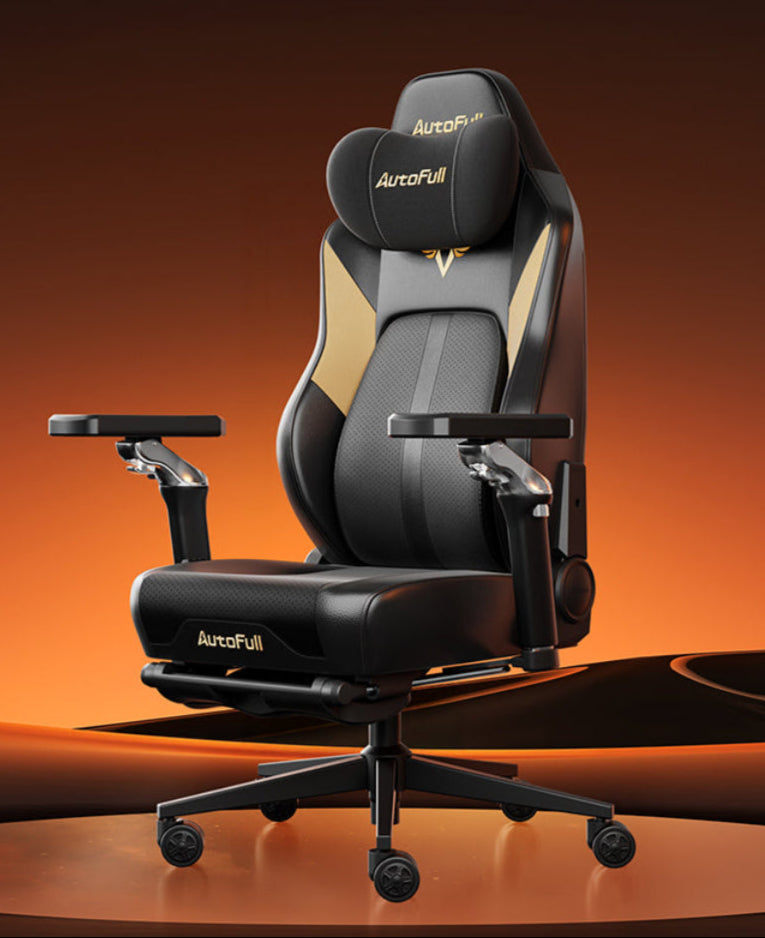


Fabric gaming chairs can trap sweat, food smells, pet odors, and dust over time, especially if you sit for long sessions. The good news is that most smells can be reduced with gentle cleaning, drying, and routine care. This guide explains how to clean fabric safely, protect mesh areas, and keep an ergonomic chair for desk use feeling fresher for longer.
Why Fabric Chairs Absorb Odors
Fabric chairs absorb odors because the material has small spaces where sweat, skin oils, food particles, dust, and moisture can settle. Once those particles stay inside the fabric, the chair may smell even when the surface looks clean. This is more common in gaming rooms, bedrooms, and home offices where airflow is limited.
A desk chair ergonomic setup may support posture well, but if it is used for hours every day, it still needs regular cleaning.
Sweat And Body Oils Build Up Slowly
Sweat does not always create a strong smell right away. The odor often appears after moisture mixes with skin oils and stays in the fabric. Armrests, seat cushions, and the upper backrest usually collect the most buildup.
If you use the chair after workouts, during hot weather, or while wearing short sleeves, the fabric may absorb more odor than expected.
Moisture Makes Odors Worse
Fabric holds moisture longer than plastic, leather-like materials, or open mesh. If a spill is not dried properly, the cushion may smell musty later. This is why drying is just as important as cleaning. A damp chair can smell worse after cleaning if moisture remains trapped inside.
How To Clean Sweat And Food Spills Safely
Start with gentle cleaning before using stronger products. Harsh cleaners can leave marks, fade fabric, or damage mesh panels. Before cleaning any mesh ergonomic chair or fabric gaming chair, check the care label or manufacturer instructions.
If there is no clear guidance, test your cleaner on a hidden area first.
Blot Fresh Spills Immediately
For fresh spills, blot the area with a clean dry towel. Do not rub aggressively, because rubbing can push liquid deeper into the fabric and spread the stain.
After blotting, use a small amount of mild dish soap mixed with warm water. Dip a cloth into the solution, wring it out well, and dab the stained area.
Clean Sweat Areas Gently
For sweat smells, focus on the seat, backrest, and arm contact areas. Use a lightly damp microfiber cloth with mild soap solution.
Avoid soaking the cushion. Too much water can move odor deeper into the padding and make drying harder.
Rinse Without Overwetting
After cleaning, wipe the area again with a cloth dampened with clean water. This removes soap residue, which can attract more dirt if left behind. Then press with a dry towel and let the chair air dry fully before using it again.

How To Use Baking Soda And Natural Deodorizers
Baking soda can help absorb odors without adding strong fragrance. It is useful for fabric chairs that smell stale but do not have a major stain. This method is safer than spraying heavy perfume or air freshener onto the chair.
Fragrance may cover the smell temporarily, but it does not remove the source.
Use Baking Soda On Dry Fabric
Make sure the chair is completely dry before using baking soda. Sprinkle a light, even layer over the seat and backrest. Let it sit for several hours. For stronger odors, leave it overnight if the room is dry and the chair is away from pets or children.
Vacuum Carefully
Use a vacuum with an upholstery attachment to remove the baking soda. Move slowly so the powder lifts from the fabric instead of settling deeper. For an ergonomic mesh desk chair, use lower suction on mesh areas. Strong suction or stiff brush heads may pull at the mesh or stretch delicate sections.
Avoid Strong DIY Mixtures
Do not mix random cleaners, vinegar, bleach, or strong disinfectants on chair fabric. Some combinations can damage materials or leave lingering smells. If you use vinegar, dilute it heavily and test first. Some fabrics hold vinegar smell for a long time, which can be annoying in a small room.
How To Remove Pet Smells Without Damaging Fabric
Pet odors can be harder to remove because fur, dander, saliva, and oils can settle into fabric. If a pet sleeps on your chair often, routine cleaning matters more than one deep clean.
A chair used as both a gaming seat and pet nap spot needs extra care. Even the best desk chair for long hours will feel unpleasant if pet smells build up in the cushion.
Remove Hair And Dander First
Before using liquid cleaner, remove pet hair with a lint roller, rubber glove, or upholstery vacuum tool. Cleaning over trapped hair can spread odor and make the fabric harder to refresh.
Pay attention to seams, cushion edges, and the gap between the seat and backrest.
Use An Enzyme Cleaner For Accidents
If the odor comes from urine, vomit, or other pet accidents, use an enzyme cleaner designed for fabric. Enzyme cleaners break down odor-causing organic material more effectively than soap alone.
Follow the product directions carefully. Do not oversaturate the chair, and allow enough drying time.
Keep Pet Blankets Separate
If your pet likes the chair, place a washable throw or small blanket over the seat. Wash it weekly. This is much easier than repeatedly deep cleaning a fabric chair.
How To Prevent Future Odors Through Routine Cleaning
Odor prevention is easier than odor removal. A simple weekly routine can keep a gaming chair or office chair smelling clean without heavy cleaning. For anyone using an ergonomic chair for desk work, gaming, and studying, small habits can make a noticeable difference.
Vacuum Weekly
Vacuum the seat and backrest once a week. This removes dust, crumbs, hair, and skin particles before they settle deeper. Use a soft upholstery brush for fabric and a gentler attachment for mesh.
Air Out The Chair
After long gaming or work sessions, leave the chair in a ventilated room. If possible, open a window or run a fan for a short time. Better airflow helps moisture evaporate faster, especially in humid climates.
Clean Small Spots Quickly
Do not wait until spills become dry stains. Clean food, drink, and sweat marks as soon as possible. A fast spot clean prevents odors from becoming embedded in the cushion.
Use A Washable Seat Cover If Needed
If you sweat heavily or use the chair daily, a thin washable seat cover can protect the cushion. Choose something breathable so it does not make the chair hotter. This is useful for long gaming sessions, summer use, or shared workspaces.
Which Cleaning Tools Are Safe For Mesh And Fabric
The safest tools are gentle, soft, and easy to control. Fabric and mesh can both be damaged by stiff brushes, too much water, or aggressive scrubbing.
If your chair has mesh panels, treat them differently from thick fabric cushions. A mesh ergonomic chair is often breathable, but mesh can stretch or snag if cleaned too roughly.
Safe Tools To Use
A microfiber cloth is best for wiping stains and cleaning arm contact areas. A soft upholstery brush helps lift dust without rough abrasion. A handheld vacuum or standard vacuum with upholstery attachment is useful for crumbs, hair, and baking soda removal.
For tight seams, use a soft toothbrush carefully. Do not press hard into the fabric.
Tools To Avoid
Avoid steam cleaners unless the chair manufacturer says they are safe. Heat and moisture can affect adhesives, foam, and fabric structure.
Avoid bleach, harsh solvents, wire brushes, and soaking methods. These can damage color, weaken fibers, or create long-term moisture problems. For an ergonomic mesh desk chair, avoid sharp tools around the mesh because small snags can grow over time.
How To Deep Clean A Chair Without Overdoing It
Deep cleaning is useful when routine care is not enough, but it should be done carefully. The goal is to remove odor without soaking the chair.
A deep clean is usually needed after months of heavy use, spilled food, pet accidents, or visible sweat buildup.
Step 1: Vacuum First
Remove loose dirt before applying any moisture. Vacuum the seat, backrest, seams, and underside if reachable. This prevents dirt from turning into muddy residue during cleaning.
Step 2: Spot Treat Stains
Use mild soap solution or fabric-safe cleaner on stained areas. Blot instead of rubbing.
For stubborn smells, treat the odor source rather than spraying the whole chair.
Step 3: Clean Larger Fabric Areas
Wipe larger areas with a damp cloth and mild solution. Work in sections so you can control moisture. Do not pour cleaner directly onto the chair.
Step 4: Dry Completely
Use towels to press out extra moisture. Then place the chair in a well-ventilated room.
A fan can help, but avoid direct high heat. Do not sit on the chair until it is fully dry.
When Should You Consider A More Breathable Chair?
Sometimes odor problems come from chair design and daily use habits. Thick foam, closed fabric, and poor airflow can hold heat and moisture. If you sit for many hours every day, breathability matters. The best desk chair for long hours should support posture and reduce heat buildup.
Fabric Vs Mesh
Fabric can feel soft and comfortable, but it may absorb more sweat and odor. Mesh allows more airflow, which may help hot users stay cooler. A desk chair ergonomic design with breathable back support can be easier to maintain if you work or game in a warm room.
When Replacement Makes Sense
If the chair smells musty even after careful cleaning and full drying, the odor may be deep inside the foam. In that case, cleaning may only help temporarily. A more breathable chair with removable parts, washable covers, or mesh sections may be a better long-term option.
Conclusion
Bad odors in a fabric gaming chair usually come from sweat, spills, moisture, dust, or pet contact. Start with vacuuming, mild spot cleaning, baking soda, and full drying before using stronger products. For long-term freshness, clean small messes quickly and improve airflow. Whether you use fabric or an ergonomic chair for desk comfort, regular care keeps the chair cleaner and more pleasant.
FAQs
How Often Should I Clean A Fabric Gaming Chair?
Vacuum the chair weekly and spot clean whenever spills happen. For daily use, do a deeper fabric refresh every one to two months. If you sweat heavily, eat at your desk, or have pets, clean more often to prevent odor buildup.
Can I Use Baking Soda On A Mesh Ergonomic Chair?
Yes, but use it mainly on fabric areas. For mesh, sprinkle lightly only if needed and vacuum gently with low suction. A mesh ergonomic chair can be damaged by rough brushing or pulling, so avoid scrubbing baking soda deep into the mesh.
Why Does My Chair Still Smell After Cleaning?
The chair may still be damp, or the odor may be trapped deep in the foam. Soap residue can also hold smells if not rinsed properly. Let the chair dry fully, repeat gentle deodorizing, and avoid soaking the cushion during cleaning.
Can I Use Fabric Spray On My Gaming Chair?
You can use fabric spray lightly, but it should not replace cleaning. Sprays often mask odors instead of removing sweat, food particles, or pet residue. Choose fabric-safe products, test first, and avoid heavy fragrance if the room has poor ventilation.
Is A Mesh Chair Better For Odor Control?
An ergonomic mesh desk chair may help reduce odor because mesh allows better airflow than thick fabric. However, mesh still collects dust, skin oils, and pet hair. Regular vacuuming and gentle wiping are still needed for a clean, fresh chair.


