


![AutoFull G7 Ergonomic Gaming Chair [🍂Autumn Special Offer] AutoFull US](http://www.autofull.com/cdn/shop/files/gaming_chair_1_c5f546de-af69-4926-b5e4-a859ea893772.jpg?v=1777458714&width=70)


![AutoFull G7 Gaming Chair & A4 Pro Gaming Desk Bundle [💥Combo Off] AutoFull US](http://www.autofull.com/cdn/shop/files/20251109-151002.jpg?v=1762672486&width=70)
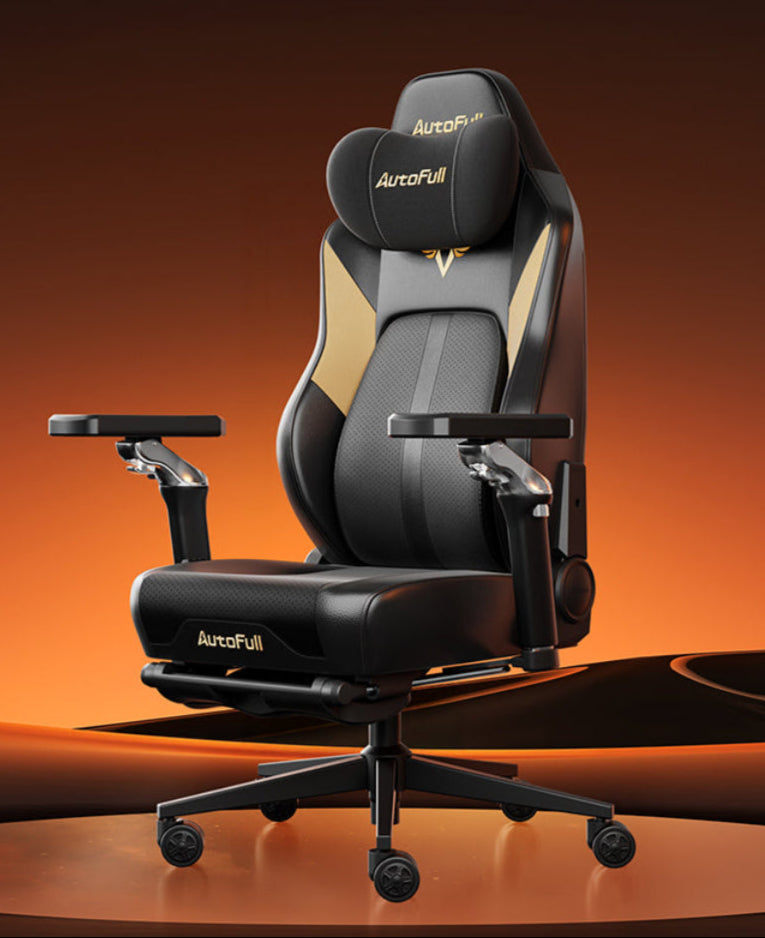


Foam density is one of the main reasons a gaming chair feels supportive for years or goes flat after a few months. A soft seat may feel comfortable at first, but long-term comfort depends on structure, pressure support, and how well the cushion keeps its shape. For anyone looking for the best desk chair for long hours, foam quality matters as much as shape, recline, or armrests.

Why Do Cheap Gaming Chairs Go Flat Over Time?
Cheap gaming chairs often go flat because the foam inside the seat is low-density or poorly bonded. At first, the cushion may feel soft and padded. After repeated sitting, the foam cells compress and stop returning to their original shape.
This is called cushion breakdown. Once it happens, the seat may feel thin, uneven, or hard in the middle. The user may start feeling the frame or base underneath. That is usually not a design feature problem. It is a foam quality problem.
Low-Density Foam Compresses Faster
Low-density foam contains less material per cubic foot. It can feel light and soft, but it usually has less long-term resistance against body weight. Over time, the seat loses height and support.
This matters most for people who sit for several hours a day. A chair used for short gaming sessions may last longer, but the same foam can break down faster under daily work, gaming, or study use.
Flat Foam Changes Your Posture
When the seat loses shape, the body sinks lower. That can change hip position, reduce thigh support, and make the backrest feel misaligned. A chair that once felt supportive can slowly become uncomfortable because the seat no longer holds the body at the intended height.
This is why foam density is closely tied to ergonomic design. The shape of the chair only works if the cushion can maintain that shape under real use.
What Is Cold Cure Foam Density?
Cold cure foam is a molded foam often used in higher-quality chairs. It is formed in a mold rather than cut from a simple foam block. This allows the cushion to follow a more specific shape and provide more consistent support across the seat.
Foam density refers to how much material is packed into a given volume. It is usually measured in pounds per cubic foot or kilograms per cubic meter. Higher density does not always mean harder, but it usually means the foam has better structure and durability.
Density vs Firmness
Density and firmness are not the same. Density describes material amount. Firmness describes how hard or soft the foam feels when compressed.
A chair can use high density foam that still feels comfortable. It can also use low-density foam that feels firm at first but breaks down quickly. That is why judging a chair only by how soft it feels in the showroom or product photo can be misleading.

Why Cold Cure Foam Is Used In Gaming Chairs
Cold cure foam can help a seat keep its shape longer than basic low-density padding. It can also support curved seat designs more consistently. This is useful in gaming chairs because the seat usually needs to support long sitting sessions, shifting posture, and repeated pressure in the same areas.
For buyers comparing the best computer chair for long hours, cold cure foam or well-made molded foam is a useful feature to check.
Are Overly Soft Chairs Actually Bad For You?
An overly soft chair is not always better. It may feel relaxing at first, but if the body sinks too deeply, the seat can stop supporting the hips and thighs evenly. That can create pressure points and make posture harder to maintain.
A chair should feel comfortable, but it should also keep the body stable. If the seat is too soft, the user may tilt backward, slide forward, or round the lower back without noticing.
Softness Can Hide Weak Support
Some chairs feel comfortable in the first few minutes because the foam gives way quickly. The problem appears later, when the cushion no longer provides lift. Long sessions reveal whether the foam is supportive or just soft.
A truly comfy gaming chair should not only feel plush. It should keep the seat surface stable after hours of use.
Too Much Sink Can Affect Movement
Deeply soft foam can also make it harder to shift position. When the body sinks into the seat, small posture changes require more effort. Over long sessions, that can increase fatigue.
Better comfort usually comes from balanced support: soft enough to reduce pressure, firm enough to hold shape, and dense enough to resist flattening.
How Dense Foam Maintains Ergonomic Design
A chair’s ergonomic design depends on alignment. Seat height, seat depth, lumbar support, backrest angle, and armrest position all work together. Foam density supports that system by keeping the user at the intended height and angle.
If the foam collapses, the rest of the chair becomes less effective. The lumbar support may hit the wrong part of the back. The armrests may feel too high. The thighs may lose even contact with the seat.
Seat Shape Needs Structure
Many gaming chairs have shaped cushions, side edges, or thigh support zones. These features only matter if the foam can hold them. Low-quality foam can flatten until the original shape no longer does its job.
High density foam helps maintain the seat contour. This does not mean the chair must feel hard. It means the foam has enough structure to resist permanent compression.
Support Should Stay Consistent
For long sessions, consistency matters more than the first few minutes of softness. A chair that feels slightly firmer at first may feel better after three hours because it keeps the body supported.
This is why a chair with dense foam is often a better choice for people who work, game, or study at the same desk every day.
How To Find The Best Desk Chair For Long Hours
The best desk chair for long hours should combine supportive foam with adjustable features. Foam alone cannot fix a chair that does not fit your body, but poor foam can ruin an otherwise good design.
Check Seat Support First
Look for a seat that feels stable, not hollow. The cushion should support the hips and thighs without bottoming out. If possible, check whether the product lists foam type, density, or molded foam construction.
A chair that provides no foam information is not always bad, but transparency is helpful. It suggests the manufacturer expects buyers to care about durability.
Look For Adjustability
Long sitting needs adjustability. Useful features include seat height, recline control, adjustable armrests, and lumbar support. A chair with dense foam and poor adjustability may still cause discomfort.
The best computer chair for long hours should let the feet rest flat, the elbows stay relaxed, and the back remain supported. Foam quality supports comfort, but fit decides whether that comfort works for your body.
Match Chair Size To Your Body
Seat width and depth matter. If the seat is too short, the thighs lack support. If it is too deep, the front edge may press behind the knees. If it is too narrow, the hips feel restricted.
A good chair should support the body without forcing one fixed posture.
How To Identify A Truly Comfy Gaming Chair Before Buying
A comfy gaming chair should be judged by long-term support, not only surface softness. Product photos and short reviews can be misleading because foam breakdown happens over time.
Read For Long-Term Reviews
Look for comments from users who have owned the chair for months, not just days. Helpful reviews often mention whether the seat stayed firm, whether the cushion flattened, and whether the chair remained comfortable after long sessions.
Short-term reviews often focus on appearance and first impressions. Long-term reviews reveal foam quality more clearly.
Check Cushion Thickness And Density Claims
A thick seat does not always mean better support. Thick low-density foam can still collapse. A thinner cushion with better density may last longer.
The best sign is a clear mention of cold cure foam, molded foam, or high density foam combined with a reasonable warranty and user feedback.
Test For Even Pressure
If testing in person, sit for more than a few seconds. Notice whether pressure builds under the hips or thighs. A good seat should feel evenly supportive. It should not push hard in one area or collapse in another.
A comfortable gaming chair should support different sitting positions without losing its basic shape.
Choose Gaming Chair Foam That Lasts
Foam density directly affects how a gaming chair feels after months or years of use. Soft padding may feel good at first, but durable comfort depends on structure and support. For anyone choosing the best computer chair for long hours, look for quality foam, proper sizing, useful adjustments, and stable support that does not flatten quickly.
FAQ about Chair Comfort and Foam Quality
Is High Density Foam Always Hard?
No. High density foam means the foam contains more material per volume. It can be firm or soft depending on its formulation. Density is more about durability and structure than surface hardness.
Why Does My Gaming Chair Feel Flat After A Few Months?
The most common reason is foam compression. Low-density foam can lose shape with repeated use, especially during long daily sessions.
Is A Softer Chair Better For Long Hours?
Not always. A soft chair may feel good at first, but long-term comfort needs support. If the body sinks too much, posture and pressure distribution can suffer.
What Makes The Best Desk Chair For Long Hours?
The best desk chair for long hours should have supportive foam, adjustable height, good lumbar support, enough seat depth, and a size that fits the user.
How Can I Tell If A Chair Has Good Ergonomic Design?
Good ergonomic design keeps the body supported without forcing awkward posture. The chair should support the lower back, allow relaxed shoulders, keep feet flat, and maintain stable seat support.


