


![AutoFull G7 Ergonomic Gaming Chair [🍂Autumn Special Offer] AutoFull US](http://www.autofull.com/cdn/shop/files/gaming_chair_1_c5f546de-af69-4926-b5e4-a859ea893772.jpg?v=1777458714&width=70)


![AutoFull G7 Gaming Chair & A4 Pro Gaming Desk Bundle [💥Combo Off] AutoFull US](http://www.autofull.com/cdn/shop/files/20251109-151002.jpg?v=1762672486&width=70)
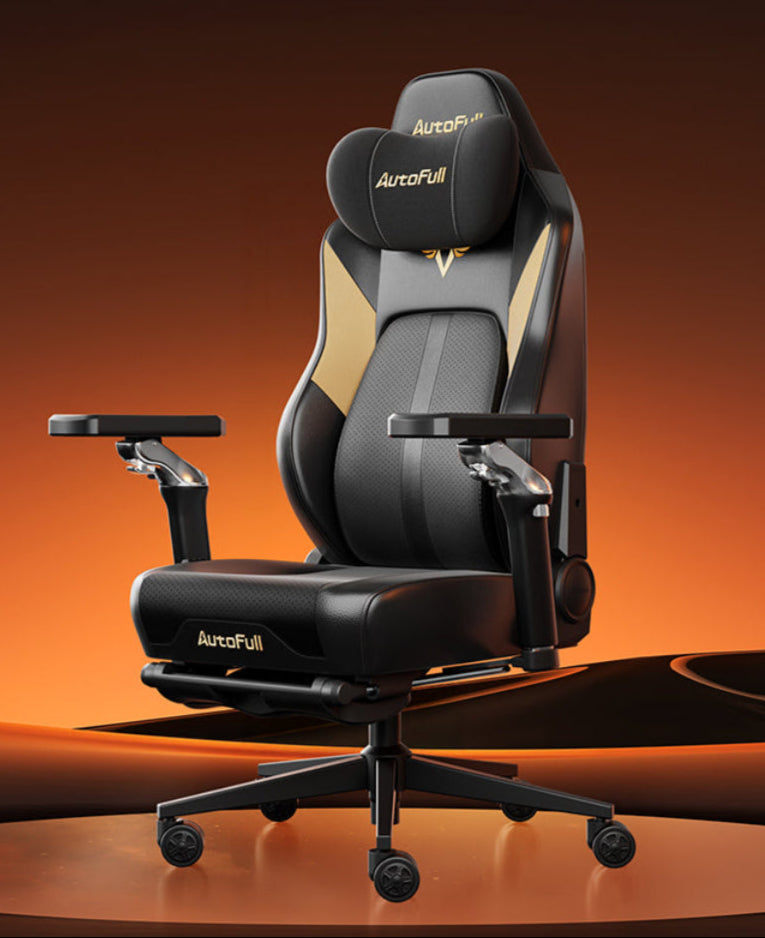


Your legs may go numb while sitting because pressure, poor support, or staying still too long affects nerves and blood flow. An ergonomic desk chair that fits your body can help reduce common pressure points during work, or gaming.
Identify Where Numbness Starts
Where you feel numbness often points to a chair-fit issue or a reason to get medical care.
Pay attention to the area involved and the position you held:
- Behind your knees or lower thighs: The seat edge may press into the back of your legs.
- Outer thighs: A narrow seat, firm side bolsters, or tight clothes may create pressure.
- Calves, ankles, or feet: Your chair may sit too high, leaving your feet unsupported.
- One leg from hip to foot: Your lower back or hip may be irritating a nerve.
Long fixed positions and pressure on a nerve can cause numbness and tingling, according to MedlinePlus numbness information. Stand up, walk around, and see if the feeling fades. If it keeps coming back in the same place, note your chair setting, leg position, and session length.
Brief tingling after a long game or meeting often improves once you move. Symptoms that last or return often need more attention.
How Does Seat Depth Affect Circulation?
A seat that is too deep can press behind your knees and make your legs feel uncomfortable.
Sit all the way back so your lower back touches the backrest. Your seat should support most of your thighs and leave a small gap before the crease behind each knee. Two or three fingers usually give you enough room.
A deep seat can pull your hips forward and leave your lower back away from the backrest. A short seat can leave too much of your thighs hanging off the front. Both setups can cause pressure during a long session.
OSHA chair criteria link an oversized seat pan with knee-area pressure, less back support, and restricted leg blood flow. Chair seat depth circulation depends on usable seat depth and the front edge shape, not padding alone.
A rounded waterfall edge can feel easier on the back of your legs than a sharp edge. Check seat-depth measurements before you buy, especially if your legs are longer or shorter than average.
Check Chair Height and Foot Support
Your chair height is right when both feet have solid support and your thighs clear the desk.
A high chair can leave your feet hanging and add pressure under your thighs. A low chair can raise your knees too much and reduce space under the desk. Set chair height before adjusting lumbar support, recline, or armrests.
Use the checks below at your desk.
| Fit Point | Good Position | What to Adjust |
| Feet | Both soles rest on the floor or a footrest | Lower the seat or add a footrest |
| Knees | Close to hip level or slightly lower | Change chair or footrest height |
| Thighs | Clear space under the desk | Remove obstacles or adjust seat height |
| Arms | Forearms rest near desk height | Adjust armrests, keyboard tray, or desk equipment |
OSHA workstation positions support full foot contact with the floor or a footrest. Keep drawers, storage boxes, and cable bundles away from your leg space.
A footrest can help if your desk forces you to sit higher. Pick one large enough for both feet, then check that your knees can move freely.

Adjust Your Seat for Support
Set your chair in a simple order so each adjustment works with the rest of your setup.
- Set the seat height. Keep both feet supported and leave room below the desk.
- Set the seat depth. Sit against the backrest and leave a small gap behind your knees.
- Set lumbar support. Place it at the natural inward curve of your lower back.
- Set the armrests. Keep your shoulders loose and elbows close to your sides.
- Check the front edge. Your thighs should feel supported without pressure behind your knees.
An ergonomic chair for lower back pain can give you more ways to match the chair to your body and desk. Our M6 Ultra 2.0 Ergonomic Gaming Chair includes adjustable lumbar support, armrests, and recline settings, plus cooling, heating, and massage for long desk sessions.
When you compare the best desk chair for long hours, focus on adjustable seat height, usable seat depth, a supportive front edge, and enough room below your desk. Extra features are easier to enjoy after the basic fit feels good.
Move Between Matches and Meetings
Short activity breaks help your legs avoid long periods of pressure and stillness.
A review of prolonged sitting found that extended sitting can affect lower-leg vascular function, while regular interruptions helped. A leg movement study also found benefits from active lower-leg movement during a seated period.
Use normal breaks in your day as prompts:
- Stand after each match, call, or task block.
- Walk for water before your next meeting.
- Lift your heels, then your toes, while seated.
- Straighten one leg for a few seconds, then switch sides.
- Recline lightly for part of a long session, then return to an active seated position.
A short walk gives your legs more activity than shifting around in the chair. Frequent position changes also help you catch seat pressure early.

Seek Medical Care When Needed
Get medical care if numbness lasts, gets worse, or comes with other symptoms.
MedlinePlus emergency symptoms include numbness with weakness, trouble walking, speech changes, loss of bladder or bowel control, or symptoms after a head, neck, or back injury.
Get prompt care for swelling, warmth, redness, pain, or tenderness in one leg. The CDC DVT symptoms include those warning signs. Sudden numbness or weakness on one side of your body, especially with facial changes or speech difficulty, calls for emergency help. NINDS stroke signs include sudden one-sided numbness or weakness.
A chair adjustment cannot tell you why ongoing numbness is happening. Put your health first, then revisit your desk setup after proper medical advice.
Keep Leg Numbness From Interrupting Your Day
Leg numbness while sitting often comes from seat pressure, unsupported feet, or long stretches without movement. Adjust the seat height and depth to fit your body, leave a small gap behind your knees, and get up between matches or meetings. Choose an adjustable chair that supports your legs, lower back, and daily desk routine.
Leg Numbness While Sitting: Common Questions Answered
Q1: Can Crossing Your Legs Cause Numbness?
Yes, crossing your legs can put pressure on soft tissue and nerves around the knee or thigh. Holding the position for a long time may cause tingling in your lower leg or foot. Keep both feet supported during longer work, gaming, or streaming sessions.
Q2: Can a Seat Cushion Change How Your Chair Fits?
Yes, a seat cushion can raise your sitting height and change the effective depth of the seat. A thick cushion may leave your feet unsupported, reduce thigh room below the desk, or move lumbar support too low. Recheck your chair height, foot support, and backrest position after adding a cushion.
Q3: Does Cold Temperature Make Leg Numbness Feel Worse?
Yes, cold temperatures can make an existing numb or tingling feeling more noticeable, especially during a long inactive session. Keep your room comfortable, wear layers that allow easy movement, and take short walking breaks. Ongoing numbness in a warm room still deserves attention beyond temperature alone.
Q4: Does a Powered Gaming Chair Need Energy Storage?
No, energy storage is optional for a powered gaming chair. Heating, cooling, and massage features may use a nearby wall outlet, while battery-powered options can give you more freedom around the room. Check cable length, outlet access, charging needs, and your desk layout before purchase.


