


![AutoFull G7 Ergonomic Gaming Chair [🍂Autumn Special Offer] AutoFull US](http://www.autofull.com/cdn/shop/files/gaming_chair_1_c5f546de-af69-4926-b5e4-a859ea893772.jpg?v=1777458714&width=70)


![AutoFull G7 Gaming Chair & A4 Pro Gaming Desk Bundle [💥Combo Off] AutoFull US](http://www.autofull.com/cdn/shop/files/20251109-151002.jpg?v=1762672486&width=70)
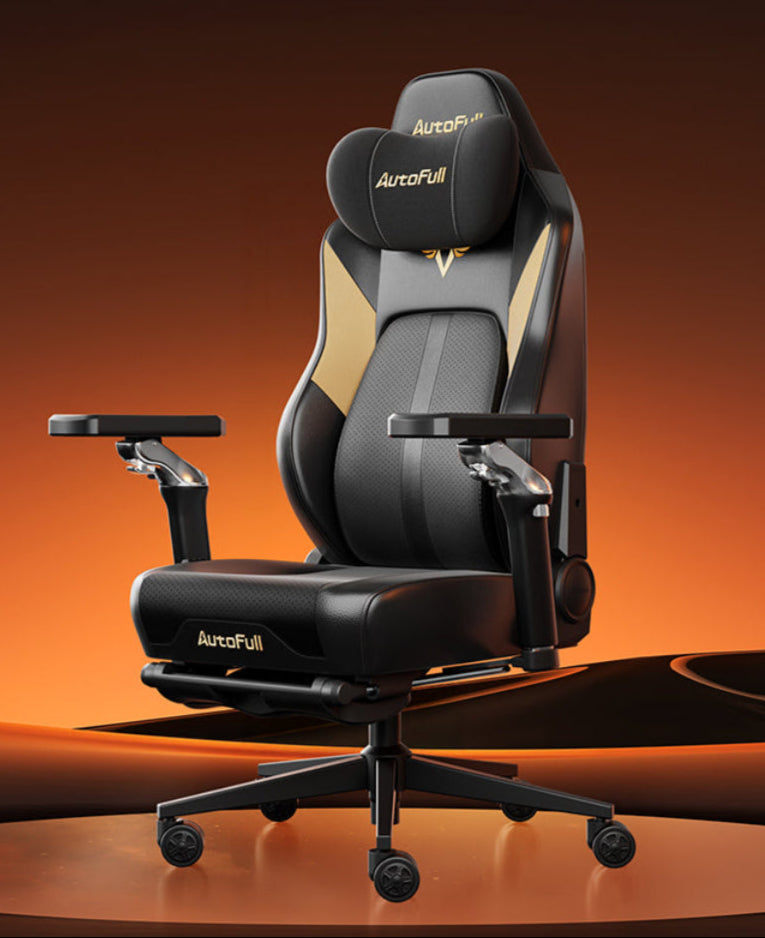


The best gaming chair for back pain is a fully adjustable ergonomic model that matches your lower back, arm position, and desk height. For long gaming or work sessions, a supportive seat turns comfort into a daily advantage that lasts.
What Supports Your Lower Back?
Adjustable lumbar support gives your lower back the steady contact it needs. The best chairs place that support in the small curve above your hips, so you can sit back without feeling pushed forward.
A well-set-up computer chair supports your back, legs, seat, and arms. Look for a backrest with height adjustment and a lumbar section you can move or tune. Your body shape and torso length are personal, so a fixed pad rarely gives the same close fit as an adjustable system.
Seat depth matters too. Sit all the way back, then check the space behind your knees. A small gap keeps the seat from pressing into your legs while the backrest still supports your spine. Your feet should rest flat on the floor or on a footrest.
A gaming chair with lumbar support should feel steady in your usual gaming position. If you use a controller, keyboard, or mouse for hours, that steady lower-back contact can help your whole setup feel easier to use.
The right lumbar system feels natural and low-profile. Set it around your lower-back curve, then fine-tune the rest of the chair around that position.
Which Chair Features Matter Most?
The most useful chair features give you room to adjust how your back, arms, legs, and head rest during screen time. Extra settings matter because gaming setups and bodies come in many sizes.
| Feature | What to Look For | Everyday Benefit |
|---|---|---|
| Lumbar support | Height, depth, or tension control | Keeps support close to your lower back |
| Backrest recline | Smooth angle and stable tension | Lets you lean back with support |
| Armrests | Height, width, depth, and angle | Helps your shoulders stay loose |
| Headrest | Height and angle adjustment | Gives your neck a place to rest during recline |
| Seat depth | Forward and back adjustment | Supports your thighs with knee clearance |

For a chair for lower back pain, check the lumbar system before colors, trim, or lighting. A support set too high can land on the mid-back. A support set too low can miss the curve near your waist. Move it around for a few minutes and pay attention to where your body relaxes.
Set your armrests close to elbow height while your shoulders stay level. Comfortable computer posture includes elbows near your sides, feet supported, and a backrest that supports your lower back. Those basics suit gaming, editing, and desk work.
More adjustment gives you more control over comfort. Choose the fit first, then pick the materials and style you enjoy seeing in your space.
Can a Gaming Chair Improve Posture?
Yes, an ergonomic gaming chair can make a comfortable posture easier to maintain when the settings fit your body and desk. An ergonomic posture chair supports your back, arms, thighs, and feet during gaming or work.
Change positions during the day. Move between upright play, a gentle recline, and short standing breaks. Longer sitting, fewer breaks, and more static sitting were associated with low-back pain among office workers in a recent review.
Your monitor and desk also affect chair comfort. Keep the screen in front of you near eye level. Keep the keyboard and mouse close enough for relaxed upper arms. Adjust seat height until your forearms sit near level with the desk, then use a footrest when your feet need support.
Are Extra Comfort Features Worth It?
Yes, extra comfort features can feel worthwhile during long sessions, especially when room temperature and activity levels change. Cooling, heating, and massage add another level of comfort alongside the core chair adjustments.
Our AutoFull M6 Ultra 2.0 ergonomic gaming chair combines adjustable support with massage and temperature-focused seat features. It suits players who move from competitive games to casual entertainment, plus creators who use the same desk for work and play.
Use heating for a warmer seat in a cool room. Use ventilation for a fresher feel during longer sessions. Massage can add a pleasant reset during a break or after a game. Keep the lumbar section close to your lower-back curve while using any comfort mode.
How Do You Set Up a Gaming Chair?
Set the chair from the floor upward, then adjust every contact point around your desk. A few careful changes can turn a generic seating position into one that feels much more natural.
- Set the seat height. Keep both feet flat on the floor or a footrest, with knees close to hip level.
- Set the seat depth. Support your thighs while leaving space behind your knees.
- Place the lumbar support. Put it in the inward curve of your lower back.
- Adjust the armrests. Bring them near desk height so your elbows stay close to your sides.
- Set the recline tension. Lean back a little and choose a tension that feels steady.
- Match the headrest and screen. Set the headrest for recline, then center your screen ahead of you.

Check the controls again after several sessions, especially after moving your monitor or changing desk height. The best gaming chair for back pain becomes a better match after a few small adjustments.
Choose a Chair That Supports Every Session
Choose a gaming chair with adjustable lumbar support, armrests, seat depth, and recline, then set it around your body and desk. A premium model such as the M6 Ultra 2.0 adds cooling, heating, and massage for more comfort across gaming, work, and entertainment.
Common Questions About Gaming Chair Use and Maintenance
Q1: How Long Does a Gaming Chair Last?
A gaming chair can last several years with regular care and normal home use. Lifespan depends on the frame, foam, upholstery, wheels, and moving parts. Keep the chair clean, tighten loose hardware when needed, and follow the stated weight limit. A longer warranty can also add useful coverage for major components.
Q2: Does a Gaming Chair Need Energy Storage for Heating?
No, energy storage is optional for a heated gaming chair. Many heated seats use a wired power connection at the desk, while battery-based designs offer more flexibility around room placement. Check the power method, charging details, and cable placement before purchase, so your gaming area stays tidy and easy to use.
Q3: Can a Gaming Chair Roll on Hardwood Floors?
A gaming chair can roll on hardwood floors with the right casters or a chair mat. Soft polyurethane casters are a popular choice for hard surfaces because they roll smoothly and help reduce scuffs. Check the wheel material before purchase and clear grit from the floor and wheels regularly.
Q4: Will a Gaming Chair Fit Under My Desk?
Yes, many gaming chairs fit under a standard desk when the armrests sit below the desk apron. Measure the floor-to-desk clearance, armrest height at its lowest setting, chair width, and the space between desk legs. Those numbers help you avoid a chair that blocks drawers or catches on the desk frame.
Q5: How Do You Clean a Gaming Chair?
Clean a gaming chair with a soft cloth, a small amount of mild soap, and water. Wipe spills soon after they happen, then dry the surface fully. Use a vacuum with a brush attachment for mesh or fabric areas. Check the care label before using any cleaner on leather, faux leather, or specialty fabric.


