


![AutoFull G7 Ergonomic Gaming Chair [🍂Autumn Special Offer] AutoFull US](http://www.autofull.com/cdn/shop/files/gaming_chair_1_c5f546de-af69-4926-b5e4-a859ea893772.jpg?v=1777458714&width=70)


![AutoFull G7 Gaming Chair & A4 Pro Gaming Desk Bundle [💥Combo Off] AutoFull US](http://www.autofull.com/cdn/shop/files/20251109-151002.jpg?v=1762672486&width=70)
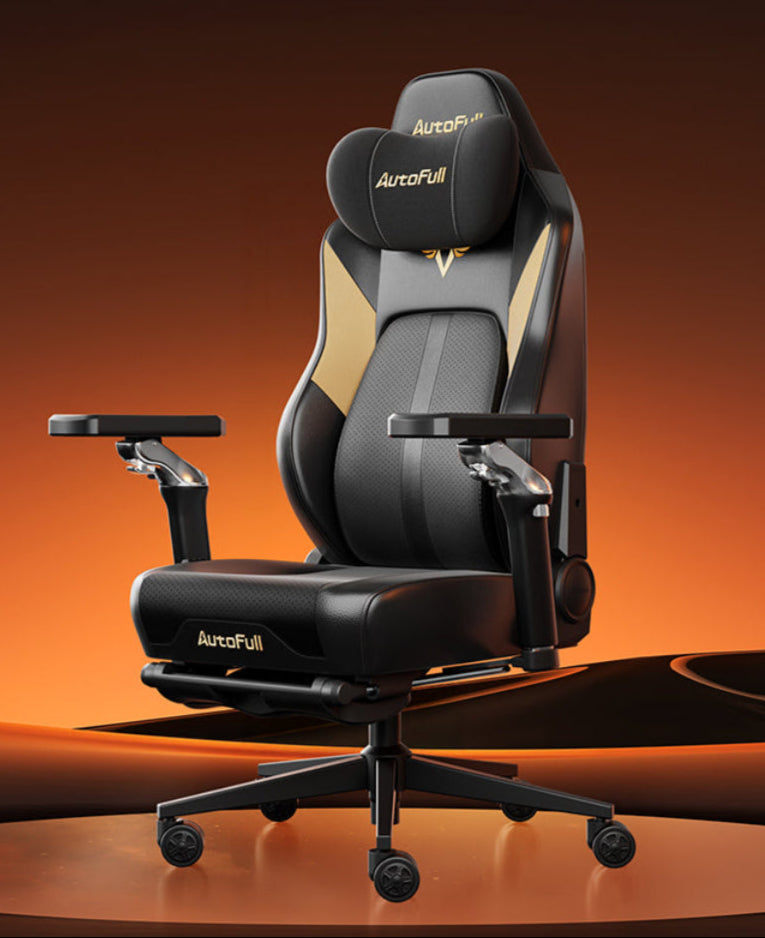


When purchasing a new seat for your desk, the exterior material is often the first feature you notice. However, the materials used in a gaming or ergonomic chair dictate far more than just visual aesthetics; they determine thermal regulation, long-term durability, and overall physical comfort. From the synthetic leather covering to the internal steel frame, understanding the structural composition of these chairs is essential for making an informed investment. This guide breaks down the most common materials used in modern ergonomic designs, helping you choose the perfect upholstery and construction for your specific climate and usage habits.

PU Leather and Genuine Leather: Aesthetics vs. Maintenance
Leather and its synthetic alternatives are the most recognizable materials in the gaming peripheral industry, heavily inspired by automotive racing seats.
The Dominance of PU Leather
Polyurethane (PU) leather is the standard covering for the vast majority of gaming chairs on the market. It is a synthetic material created by coating a base fabric with a flexible polymer. The primary advantage of PU leather is its liquid resistance. If you spill a drink during a gaming session, the liquid will bead on the surface rather than soaking into the cushion, making it incredibly easy to wipe clean. Furthermore, PU leather holds vibrant dye colors well, allowing manufacturers to create striking, multi-colored designs that match specific PC setups.

However, PU leather has notable drawbacks. It is not breathable. Sitting in a PU leather chair in a warm room will trap body heat against your skin, causing you to sweat within an hour. Additionally, over several years of daily friction, lower-quality PU leather is prone to drying out, cracking, and peeling.
The Premium Appeal of Genuine Leather
For those seeking a high-end aesthetic and superior longevity, an ergonomic leather chair made from genuine top-grain or full-grain leather is the ultimate upgrade. Genuine leather is naturally breathable to a certain degree and physically conforms to the user's body shape over time. It is exceptionally durable and resists the cracking associated with synthetic materials, provided it is maintained correctly.
The downside to a genuine ergonomic leather chair is the high cost and the required maintenance. To prevent the natural hide from drying out, it must be treated with leather conditioner every few months. This material is typically reserved for executive-level ergonomic designs rather than standard gaming hardware.
Fabric and Upholstery: Softness and Warmth for Cooler Climates
As the demand for seating that blends into a home office environment has grown, fabric upholstery has become a highly popular alternative to synthetic leather.
Comfort and Thermal Properties
Fabric chairs use woven materials—often polyester, cotton blends, or specialized microfiber. The immediate benefit of a fabric ergonomic chair is its softness. It feels warmer to the touch in winter and breathes slightly better than PU leather in the summer, reducing the sticky, sweaty feeling on bare skin. Fabric chairs also offer a more subdued, mature aesthetic that fits seamlessly into a living room or professional workspace without shouting "gamer."
The Maintenance Challenge
The primary weakness of fabric is its porosity. Unlike PU leather, fabric absorbs liquids immediately. Spilling coffee or dropping food on a fabric chair will result in a stain that requires upholstery cleaner and scrubbing to remove. Furthermore, fabric traps dust, pet hair, and dead skin cells within its woven fibers, requiring frequent vacuuming to maintain hygiene. If you have cats or dogs that shed heavily, a fabric chair will require significantly more upkeep than a smooth surface.
The Rise of Mesh: Breathability and Heat Dissipation
For users who prioritize thermal regulation above all else, mesh is the undisputed champion of seat materials.
Eliminating Trapped Heat
A mesh ergonomic chair utilizes a tightly woven, synthetic net-like material stretched over a rigid frame. This design completely eliminates the solid foam barrier between your body and the surrounding air. In a warm climate or an un-air-conditioned room, a mesh ergonomic chair allows continuous airflow across your back and under your thighs. This constant ventilation instantly dissipates body heat and moisture, keeping you dry and comfortable during grueling eight-hour workdays or gaming marathons.
Structural Tension and Support
High-quality mesh is engineered for immense tensile strength. Rather than sinking into a foam cushion, an ergonomic mesh desk chair suspends the user, providing firm, responsive support that automatically distributes weight evenly. This "trampoline effect" prevents pressure points on the tailbone. However, it is critical to invest in a premium ergonomic mesh desk chair. Budget mesh chairs often use low-quality weaves that stretch out and sag permanently after a few months, completely destroying the ergonomic support of the chair.
Internal Padding: Cold-Cure Foam vs. Standard Padding
What lies beneath the upholstery is arguably more important than the covering itself. The type of foam used dictates how long the chair will remain comfortable.
Standard Cut Foam
Cheaper chairs use standard polyurethane foam, which is cut from a large block and glued to the frame. This foam is full of large air pockets. Under the constant weight of a human body, these air pockets collapse. Within six to twelve months, standard foam "bottoms out," leaving the user sitting directly on the hard wooden or metal base plate beneath the seat.
High-Density Cold-Cure Foam
Premium gaming and ergonomic designs utilize cold-cure foam. In this manufacturing process, liquid polyurethane is injected directly into a mold shaped like the chair frame and cured at a low temperature. This process creates a dense, uniform foam with almost no air pockets. Cold-cure foam is incredibly resilient; it provides firm support that bounces back to its original shape immediately after you stand up. A chair featuring cold-cure foam will maintain its ergonomic contouring and prevent bottoming out for five to ten years of daily use.
Frame and Base Materials: Steel, Nylon, and Aluminum
The structural skeleton of the chair determines its weight capacity, stability, and safety during reclining.
Internal Frame Construction
The best gaming chairs are built around a tubular steel frame. Steel provides the rigid structure necessary to support the high backrest and the aggressive side bolsters. Avoid chairs that use wooden internal frames, as wood can warp, splinter, or break under the stress of a user leaning back forcefully.
Wheelbase Materials
The five-point star base at the bottom of the chair supports the entire load.
- Nylon: Heavy-duty nylon plastic is the standard for most entry-level and mid-range chairs. It is lightweight, inexpensive, and generally supports up to 250 pounds without issue.
- Aluminum: High-end models upgrade to a solid aluminum wheelbase. Aluminum is visually striking, completely rust-proof, and significantly stronger than nylon. A wide aluminum base lowers the chair's center of gravity, providing crucial stability when the user reclines the backrest to 160 degrees.
Which Material Is Suitable for You?
Selecting the right materials requires analyzing your specific environment and how you interact with your workspace.
- Choose PU Leather if: You frequently eat or drink at your desk, value easy cleanup, and want a chair with vibrant, aggressive styling. You should also have a temperature-controlled room to prevent sweating.
- Choose Fabric if: You prefer a softer, warmer seating surface and a minimalist aesthetic that blends into home decor, and you do not have pets that shed heavily.
- Choose a Mesh Ergonomic Chair if: You live in a hot, humid climate, sweat easily during intense gaming sessions, or work long hours and prioritize maximum breathability and firm, suspended support over plush cushioning.
- Choose an Ergonomic Leather Chair if: You want a luxurious, executive appearance, are willing to perform semi-regular leather conditioning, and desire a highly durable material that breathes better than synthetic PU.
Choose the Best Ergonomic Chair Materials
The materials constructing your chair directly impact your physical comfort and the lifespan of the furniture. While PU leather offers easy maintenance and bold looks, an ergonomic mesh desk chair provides unmatched breathability for hot environments. Regardless of the exterior you prefer, prioritizing an ergonomic chair built with an internal steel frame and high-density cold-cure foam guarantees that your investment will provide consistent, healthy postural support for years of intensive use.


