


![AutoFull G7 Ergonomic Gaming Chair [🍂Autumn Special Offer] AutoFull US](http://www.autofull.com/cdn/shop/files/gaming_chair_1_c5f546de-af69-4926-b5e4-a859ea893772.jpg?v=1777458714&width=70)


![AutoFull G7 Gaming Chair & A4 Pro Gaming Desk Bundle [💥Combo Off] AutoFull US](http://www.autofull.com/cdn/shop/files/20251109-151002.jpg?v=1762672486&width=70)
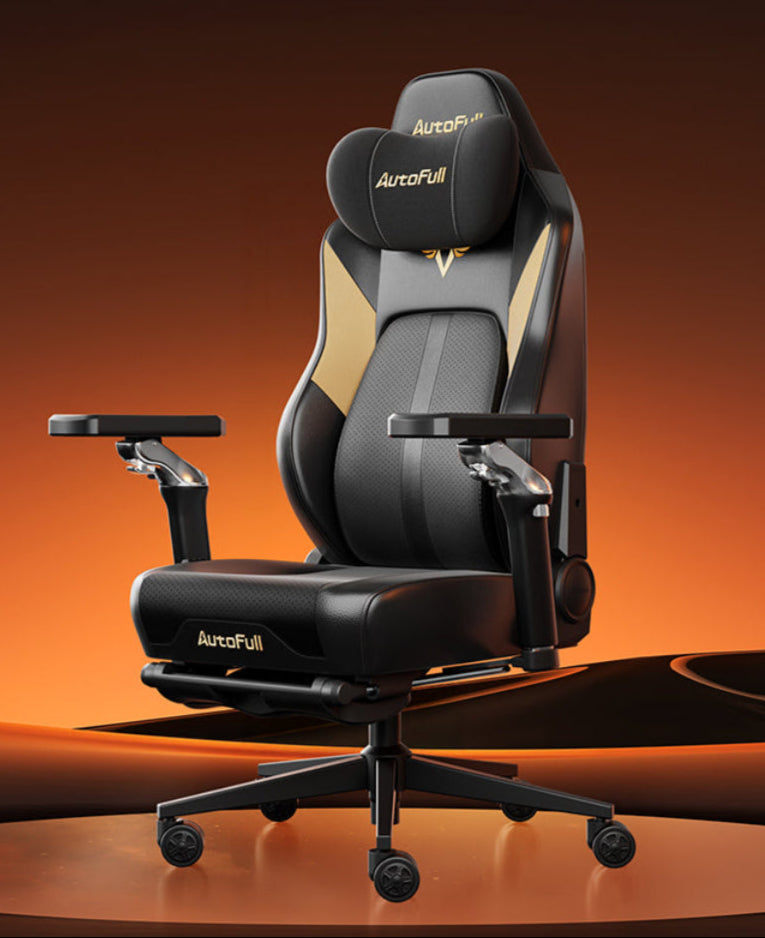


Discovering your gaming chair is leaning to one side is frustrating and can cause physical discomfort. This guide helps you identify if the issue is a loose bolt, a broken mechanism, or a faulty gas lift. By following this gaming chair troubleshooting process, you can find the root cause and learn how to restore your seat to a perfectly level position. This ensures your setup remains ergonomic and comfortable for long sessions without requiring an immediate, expensive replacement.
Perform Basic Gaming Chair Troubleshooting
Before dismantling your furniture, you should start with the simplest external factors. Many leaning issues are not caused by the chair itself but by the environment or minor assembly oversights. Effective gaming chair troubleshooting begins with a systematic check of the immediate area and the connection points.
Inspect the Floor Surface and Environment
A common reason for a perceived lean is an uneven floor. If your chair is placed on a thick rug or a carpet with a heavy pile, the casters may sink unevenly. Hardwood floors can also have slight slopes that are not visible to the naked eye. To test this, move your chair to a different room or a surface you know is perfectly flat, such as a tiled kitchen floor. If the lean disappears, the issue is your flooring. You might consider using a plastic chair mat to provide a consistent, level surface for the wheels.
Examine the Casters and Base Integrity
Casters are the wheels at the bottom of the chair, and they are frequent points of failure. Check if one caster is not fully pushed into the star base. Sometimes, hair, dust, or debris can get lodged inside a wheel, preventing it from sitting at the same height as the others. Furthermore, inspect the star base for any hairline cracks. Plastic bases can warp or stress over time, especially if the user frequently leans in one specific direction. If one arm of the base is lower than the others, the entire chair will tilt.

Tighten All Assembly Bolts and Screws
Mechanical vibration from shifting your weight during gameplay can loosen the bolts over time. Use an Allen wrench to check the bolts connecting the seat to the tilt mechanism and those connecting the armrests to the seat. A single loose screw on one side of the seat plate can create a significant slant. If you find loose hardware, tighten it firmly but avoid over-torquing, which could strip the threads. Regular checks of these bolts should be part of your gaming chair repair guide checklist to prevent future leaning.
Diagnose a Gaming Chair Tilt Problem
If the floor and bolts are secure, the problem likely lies within the seat plate or the tilt mechanism. This component is the "brain" of the chair's movement, and a gaming chair tilt problem is often the result of metal fatigue or internal spring failure.
Inspect the Seat Plate for Metal Fatigue
The seat plate is the metal housing that attaches the top of the gas lift to the bottom of the seat. Under the pressure of daily use, the metal can develop cracks or bends. Flip the chair over and look closely at the areas where the metal is welded or folded. If you see any signs of the metal "bowing" or a crack near the bolt holes, the plate can no longer support your weight evenly. This structural failure is a primary cause of a permanent lean that cannot be fixed by tightening screws.
Identify Issues With the Tilt Tension Knob
Most gaming chairs feature a large circular knob underneath the seat that adjusts the resistance of the reclining feature. If this knob is too loose or the internal spring has snapped, the chair may lean to one side or feel "floppy." If the chair only leans when you sit back, the tilt tension is likely unbalanced. Try tightening the knob to its maximum setting to see if the chair levels out. If it remains uneven, the internal housing of the tension spring may be damaged.
Check the Tilt Lock Mechanism
Gaming chairs often have a lever that locks the chair into an upright or reclined position. If the locking pin is bent or partially engaged, it might hold one side of the seat higher than the other. Toggle the lock on and off several times while sitting in the chair to see if the pin resets. A malfunctioning lock is a common gaming chair tilt problem that results in the seat feeling unstable or lopsided during use.
Apply a Permanent Gaming Chair Leaning Fix
Once you have identified a mechanical fault, you need a solution that goes beyond temporary adjustments. A gaming chair leaning fix can range from a simple DIY shim to the complete replacement of the underlying hardware.
Use Washers as Shims for Minor Misalignment
If the lean is slight and caused by a minor manufacturing defect or a slightly warped seat base, you can use metal washers to level it. Remove the bolts connecting the seat plate to the seat on the side that is leaning too low. Place one or two washers between the seat and the metal plate, then reinsert the bolts. This acts as a shim, lifting that specific side of the seat. This gaming chair leaning fix is highly effective for minor imbalances and is often the most cost-effective solution for a DIY repair.
Replace the Seat Tilt Mechanism
If the metal plate is cracked or the internal springs are broken, you should replace the entire tilt mechanism. Most manufacturers use standard hole patterns (such as 6x10 inches or 7x11 inches). You can purchase a replacement "butterfly" tilt mechanism online. To install it, unscrew the old plate, detach it from the gas cylinder, and bolt the new one in place. This is a fundamental step in a professional gaming chair repair guide and can make an old chair feel brand new again.
Realign the Internal Frame
Sometimes the lean is not in the mechanism but in the internal wooden or metal frame of the seat itself. This can happen if the chair was sat in heavily on one side. While this is harder to fix, you can sometimes realign the frame by loosening all seat bolts, having someone sit in the chair to weigh it down evenly, and then tightening the bolts while the chair is under pressure. This forces the components to settle into a more neutral, level position.
Check the Gas Lift for Uneven Gaming Chair Height
The gas lift cylinder is the pressurized piston that allows for height adjustment. When this component fails, it often leads to uneven gaming chair height or a wobbly sensation.

Test the Piston for Side-to-Side Play
The gas cylinder should only move up and down. If you can wiggle the seat from side to side while it is at its lowest or highest setting, the internal seals of the cylinder are likely worn out. This "play" in the piston causes the seat to lean in whatever direction you shift your weight. To confirm this, sit in the chair and lean left, then right. If the seat tilts significantly in both directions, the gas lift is no longer providing a stable vertical axis.
Resolve a Sinking or Tilted Cylinder
An uneven gaming chair height occurs if the cylinder is not sitting straight within the star base or the seat plate. Sometimes the cylinder settles at an angle because the plastic bushing at the top of the lift has cracked. Inspect the point where the cylinder enters the seat plate. If it looks slanted, you will need to remove the cylinder and re-seat it. If the cylinder is leaking air and sinking on its own, it must be replaced entirely as these units are pressurized and cannot be safely repaired at home.
Remove and Replace a Faulty Gas Lift
To replace the gas lift, you will generally need a rubber mallet and a pipe wrench. Strike the bottom of the cylinder from the underside of the star base to pop it out. Then, use the pipe wrench to twist and pull the cylinder away from the seat plate. Slide a new, compatible gas lift into the base and place the seat on top. The pressure of sitting on the chair will lock the new cylinder into place, resolving any issues with a lopsided or sinking seat.
Maintain Your Gaming Chair Adjustable Features
Preventing a lean is much easier than fixing one. To keep your gaming chair adjustable components functioning correctly, you must perform regular maintenance. Most chairs fail because they are neglected until a small problem becomes a structural break.
Lubricate Moving Parts and Joints
The tilt mechanism and the reclining joints involve metal-on-metal contact. Over time, friction can cause these parts to stick or wear down unevenly. Apply a small amount of lithium grease or WD-40 Specialist Silicone to the springs and pivot points every six months. This ensures that the gaming chair adjustable levers and knobs move smoothly and do not get stuck in an angled position, which helps maintain the chair's horizontal balance.
Perform Routine Hardware Inspections
Make it a habit to inspect your chair twice a year. Use a gaming chair repair guide approach: check the wheels for hair clogs, ensure the gas lift is clean of dust, and tighten every bolt. If you notice a tiny squeak or a slight wiggle, address it immediately. Small amounts of movement in a loose bolt eventually lead to the metal holes becoming "ovalized," which makes it impossible to ever get the chair perfectly tight or level again.
Respect the Weight and Usage Limits
Every chair has a maximum weight capacity and a recommended "hours per day" usage limit. Exceeding these limits puts excessive strain on the seat plate and the gas cylinder. If you frequently sit with your legs crossed or lean heavily on one armrest, you are applying asymmetrical pressure that will eventually cause a permanent lean. Distributing your weight evenly is the best way to preserve the structural integrity of your furniture.
Conclusion
Fixing a crooked seat often requires only basic tools and a bit of patience. Whether you need a simple gaming chair leaning fix or a more involved gaming chair repair guide, addressing the problem early prevents permanent damage to your back and the chair's frame. Keep your gaming chair adjustable components in top shape through regular maintenance, and you will enjoy a stable, supportive seat for many years of gaming.
FAQs
Can a Leaning Gaming Chair Cause Back Pain?
Yes, a leaning chair forces your spine into an unnatural lateral curve, which puts uneven pressure on your intervertebral discs. Over time, this leads to muscle strain, localized pain in the lower back, and potentially long-term postural issues. You should always fix a leaning chair as soon as the problem is detected to protect your health.
Is It Safe to Open a Gas Lift Cylinder?
No, you should never attempt to open or disassemble a gas lift cylinder. These components contain highly pressurized nitrogen gas and can be extremely dangerous if punctured or tampered with. If the gas lift is failing or causing an uneven gaming chair height, the only safe solution is to replace the entire unit with a new one.
Can I Use Power Tools to Tighten My Gaming Chair?
No, it is generally recommended to use manual hand tools like Allen wrenches or screwdrivers. Power drills can easily over-tighten bolts, which may strip the threads in the seat's wooden or metal frame or crack the plastic components. Hand-tightening allows you to feel the resistance and ensures the hardware is secure without causing accidental damage to the chair.
Why Does My Chair Lean Only When I Recline?
This usually indicates a gaming chair tilt problem involving the tension spring or the locking mechanism. When the chair is upright, the frame provides support, but reclining shifts the weight onto the internal springs. If the spring is weakened or the housing is cracked on one side, the resistance becomes uneven, causing the chair to dip to the side with less support.


