


![AutoFull G7 Ergonomic Gaming Chair [🍂Autumn Special Offer] AutoFull US](http://www.autofull.com/cdn/shop/files/gaming_chair_1_c5f546de-af69-4926-b5e4-a859ea893772.jpg?v=1777458714&width=70)


![AutoFull G7 Gaming Chair & A4 Pro Gaming Desk Bundle [💥Combo Off] AutoFull US](http://www.autofull.com/cdn/shop/files/20251109-151002.jpg?v=1762672486&width=70)
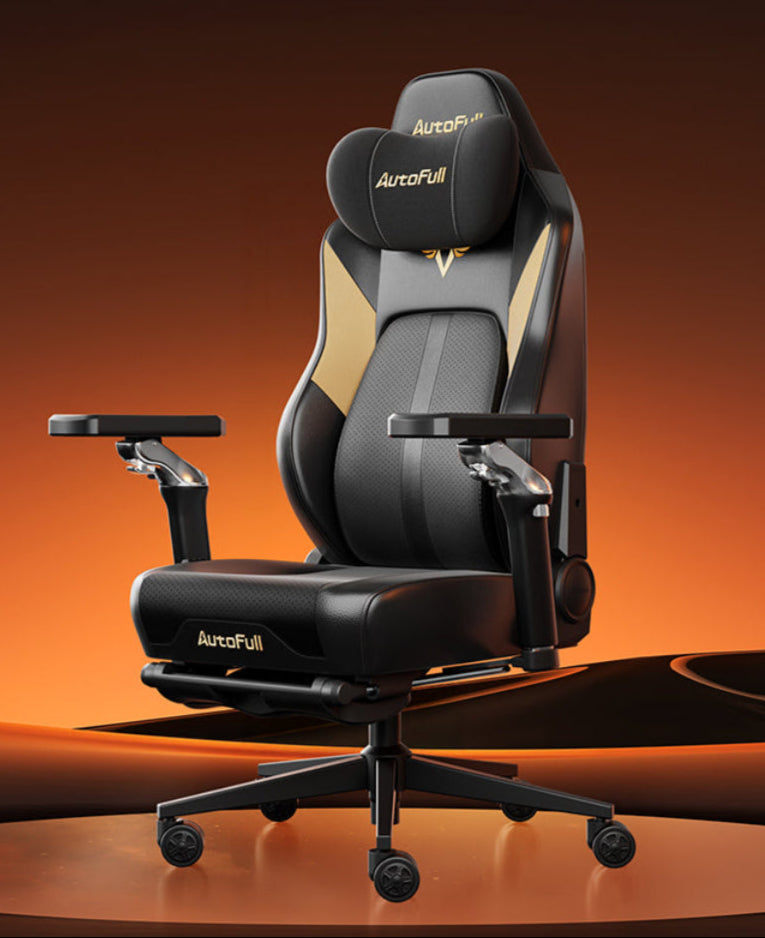


If you spend eight hours a day coding or grinding through competitive matches, selecting the wrong type of seat will inevitably lead to physical fatigue and chronic back pain. This comprehensive guide objectively compares the key differences between gaming and office chairs, helping you decide which style provides the best long-term value for your specific posture and daily routine.

Is a Gaming Chair Good for Long Hours?
The primary appeal of a gaming chair is its ability to support the user through extended, uninterrupted sessions. Inspired by the bucket seats found in racing cars, these chairs feature high backs, pronounced side bolsters, and thick padding.
A high-quality gaming chair is specifically engineered to keep the user locked into a central position. When a player is deeply focused on a match, the side bolsters prevent them from slouching sideways or adopting asymmetrical postures that strain the spine. Additionally, the defining feature of a desk chair for gamers is its deep recline capability. Many models can tilt back 160 degrees or more. This allows the user to shift from an active, upright position to a completely relaxed, semi-supine posture while watching cutscenes or waiting in game lobbies.
However, it is important to note that the effectiveness of a gaming chair for long hours depends entirely on its build quality. Budget models often use low-density foam that compresses permanently after a few months, leaving the user sitting on the hard internal frame. Conversely, a premium gaming office chair utilizes cold-cure foam—the same material used in automotive seating—which retains its shape and provides firm, consistent support for years.

Why are Ergonomic Office Chairs Often Recommended?
The philosophy behind an office chair is dynamic movement rather than static confinement.
Unlike the restrictive bucket seat design, an ergonomic office chair features a flat or gently contoured seat pan with no side bolsters. This open design encourages the user to shift their weight, cross their legs, and make micro-adjustments throughout the day. This continuous movement is critical for maintaining healthy blood circulation to the lower extremities and preventing muscle stiffness.
Furthermore, a high-end office chair prioritizes hyper-adjustability. It allows the user to fine-tune the seat depth (sliding the seat forward or backward to accommodate leg length) and adjust the specific tension of the lumbar curve. Because an office chair is designed to adapt to the exact anatomical measurements of the individual, it is widely considered the safest option for preventing repetitive strain injuries (RSI) in a professional environment.
Gaming Chair vs. Office Chair: Key Differences
When deciding whether to purchase an office or gaming chair, you must compare their distinct structural components and material choices.
Design Aesthetics
A gaming chair is visually aggressive, often featuring bright colors, synthetic leather (PU or PVC), and prominent logos. It is designed to be a centerpiece in a streaming setup or a dedicated gaming room. An office chair prioritizes a minimalist, professional aesthetic, utilizing neutral tones and unobtrusive profiles that blend into corporate or home office environments.
Backrest Height and Head Support
Almost every desk chair for gamers features a tall backrest that extends above the user's head, complete with a detachable neck pillow. This provides full spinal and cranial support. In contrast, many standard office and gaming chairs have mid-back designs that stop at the shoulders. While premium ergonomic office chairs offer optional headrests, they are rarely included by default.
Material Breathability
A significant difference between the two styles is thermal regulation. Because a gaming chair frequently uses synthetic leather, it traps body heat. In a warm room, this can lead to uncomfortable sweating during a long session. An ergonomic office chair frequently utilizes a full mesh backrest and sometimes a mesh seat pan. Mesh allows for continuous airflow, making it significantly cooler and more comfortable in environments without strict climate control.
Which One is Better for Your Back?
The debate over which chair provides superior back support is the most critical factor for buyers. The answer depends on how the lumbar support is integrated into the design.
Most standard gaming and office chairs under $300 handle lumbar support very differently. A typical gaming chair relies on a detachable, foam lumbar pillow strapped to the backrest. While you can slide this pillow up or down, it does not conform dynamically to the spine and often feels too thick, pushing the pelvis forward uncomfortably.
A high-quality ergonomic office chair, on the other hand, features integrated, adjustable lumbar support. The curve is built directly into the frame of the backrest. The user can turn a dial to increase or decrease the depth and tension of the curve, ensuring it matches the exact contour of their lower back. Because of this precise, built-in adaptability, an office chair is objectively better for preventing and alleviating chronic lower back pain for the vast majority of users.
Are Gaming Chairs or Office Chairs More Durable?
Durability is closely tied to the price tier rather than the specific category of the chair. However, the materials used in each style degrade differently over time.
A premium gaming office chair is built around a heavy-duty tubular steel frame, making it structurally incredibly sound. The weak point of a gaming chair is usually the PU leather upholstery. Even with regular maintenance, synthetic leather is prone to peeling, cracking, and flaking after three to five years of heavy daily friction.
An office chair is typically constructed with high-grade plastics, aluminum bases, and mesh or breathable fabric upholstery. High-tension mesh is incredibly durable and resistant to tearing or permanent sagging. Because an office chair lacks the thick foam and synthetic leather that degrade visually, a well-built ergonomic chair often outlasts a racing-style chair, maintaining its supportive properties and professional appearance for a decade or more.
Gaming Chair vs. Office Chair: Which One Should You Buy?
To make the right choice between an office or gaming chair, you must analyze your primary daily activities and aesthetic preferences.
When to Buy a Gaming Chair
You should purchase a gaming chair if you prioritize deep relaxation and immersive posture. If you frequently recline heavily to watch movies, play with a controller rather than a mouse and keyboard, or want a chair that visually matches your RGB-heavy PC build, a desk chair for gamers is the ideal choice. The tall backrest and pronounced side bolsters offer a secure, enveloping feel that many users find highly comforting during leisurely activities.
When to Buy an Office Chair
You should invest in an ergonomic office chair if your primary goal is productivity and strict postural health. If you type for eight hours a day, suffer from existing lower back pain, or work in a warm room where breathability is essential, the hyper-adjustability of an office chair is mandatory. The ability to adjust seat depth, armrest width, and dynamic lumbar tension ensures that the chair supports you during highly active, focused tasks without causing physical restriction.
Choose Your Perfect Desk Chair
The choice between a gaming chair and an office chair ultimately depends on your physical needs and how you use your desk. A gaming office chair offers excellent full-body support, deep recline, and bold aesthetics for entertainment. Conversely, an ergonomic office chair provides superior breathability, dynamic lumbar adjustment, and unrestricted movement for intense, productive work. By evaluating your posture requirements, you can select the seating that best protects your health and enhances your daily routine.
FAQ about gaming and office chairs
Can an office chair be used for gaming?
Absolutely. Many professional esports players and streamers prefer a high-end ergonomic office chair over a racing-style seat. The superior lumbar support, adjustable armrests, and breathable mesh keep them physically comfortable and focused during long competitive matches without overheating.
Why do gaming chairs have holes in the backrest?
The holes near the headrest of a gaming chair are an aesthetic homage to the 5-point harness racing seats found in sports cars. Functionally, these cutouts allow users to thread the elastic straps of the included neck and lumbar support pillows through the backrest to secure them in place.
Is it worth spending more than $300 on a desk chair?
Yes. Chairs priced under $300 often compromise on the quality of the internal foam, the durability of the gas lift cylinder, and the adjustability of the armrests. Spending more ensures you receive cold-cure foam, a steel or aluminum frame, and precise ergonomic adjustments that protect your spine over thousands of hours of use.
Do gaming chairs actually improve your posture?
A high-quality gaming chair can improve posture if it forces a sloucher to sit upright against the tall backrest. However, if the lumbar pillow is too thick or placed incorrectly, it can actually push the spine out of alignment. An office chair with built-in, adjustable lumbar support is generally much more effective at actively correcting poor posture.


