


![AutoFull G7 Ergonomic Gaming Chair [🍂Autumn Special Offer] AutoFull US](http://www.autofull.com/cdn/shop/files/gaming_chair_1_c5f546de-af69-4926-b5e4-a859ea893772.jpg?v=1777458714&width=70)


![AutoFull G7 Gaming Chair & A4 Pro Gaming Desk Bundle [💥Combo Off] AutoFull US](http://www.autofull.com/cdn/shop/files/20251109-151002.jpg?v=1762672486&width=70)
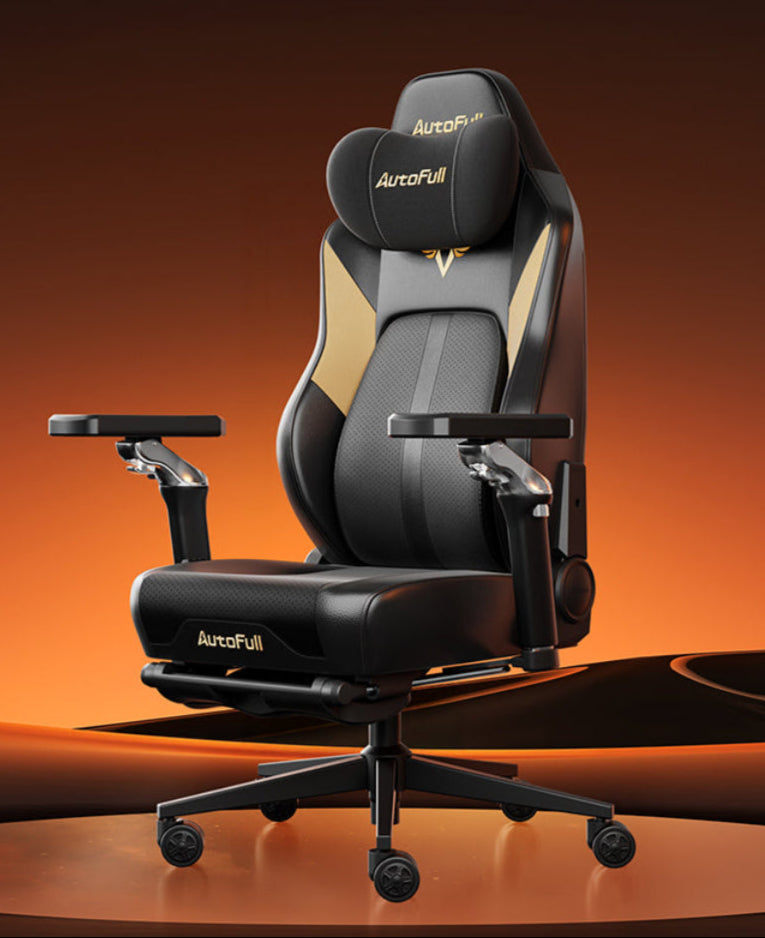


Choosing a gaming chair for teenager use is not only about style. Parents usually want to know whether the chair supports healthy posture, fits a growing child, and works for both gaming and homework. The right chair should match your child’s height, desk setup, daily screen time, and room size. This guide explains what to measure, which features matter most, and how to choose a chair that is comfortable, practical, and age-appropriate.
Why Choose A Gaming Chair For Teenagers?
A gaming chair can be useful for teenagers because many kids now use the same desk for schoolwork, gaming, video calls, and hobbies. A regular dining chair or oversized office chair may not support the body well during long sitting periods.
A good gaming chair for teenager use should help the child sit with their feet supported, shoulders relaxed, and screen at eye level. It should not force them into a stiff posture or make them lean forward to reach the keyboard.
Parents often compare gaming chairs with office chairs. The main difference is design. Gaming chairs usually have a sportier look, higher backrests, and more visible padding. Office chairs may look simpler but can offer strong ergonomic support. The best choice depends on fit, adjustability, and how your child actually uses the chair.
How To Measure Your Child For The Right Chair
Before buying, measure your child and the desk area. This is more reliable than choosing by age alone.
Seat Height
When your child sits down, their feet should rest flat on the floor or on a footrest. Knees should bend at about a 90-degree angle. If the seat is too high, the legs may dangle, causing pressure behind the knees. If it is too low, the knees may rise too high and affect hip comfort.
Seat Depth
The seat should support the thighs without pressing into the back of the knees. Ideally, there should be a small gap between the front edge of the seat and the back of the knees.
Backrest Height
The backrest should support the lower and middle back. For teens, a taller backrest can be helpful, but it should not be so large that the lumbar support sits in the wrong place.
Room Size
If the bedroom or study corner is small, a small ergonomic desk chair may be more practical than a bulky racing-style chair. Make sure the chair can slide under the desk and still leave walking space.
What Age Groups Benefit Most From Ergonomic Support?
Ergonomic support matters most when children begin sitting for longer periods. This often happens around middle school and high school, when homework, online learning, and gaming time increase.
Younger children may not need a full-size gaming chair. They need a chair that fits their current body size and allows safe movement. For older kids and teenagers, an ergonomic chair for gaming can help reduce slouching, especially when paired with a properly adjusted desk and monitor.
Teenagers also grow quickly, so parents should avoid chairs that only fit for one year. An adjustable ergonomic chair is usually a better long-term option because it can adapt as the child grows.
How To Adjust A Gaming Chair For Teen Comfort
Even the best chair will not help much if it is adjusted incorrectly. After setup, spend a few minutes helping your child find a comfortable sitting position.

First, adjust the seat height so their feet are stable. If their feet cannot reach the floor, use a footrest. Next, adjust the backrest so the lower back feels supported. If the chair includes a lumbar pillow, place it around the natural curve of the lower back, not too high.
Armrests should allow the shoulders to stay relaxed. If the armrests are too high, the shoulders may lift. If they are too low, the child may lean to one side.
For gaming, the screen should be close enough to see clearly without leaning forward. For homework, the keyboard and mouse should be easy to reach. This is why a training-style setup is not enough; parents need to check the full desk environment, not only the chair.
Which Materials Are Safe And Durable For Kids?
Materials affect comfort, cleaning, and long-term durability. Parents should look for stable construction, smooth edges, and easy-to-clean surfaces.
Fabric
Fabric is breathable and comfortable, especially in warm rooms. It may be better for teens who sit for long study sessions. However, it can absorb spills and may need more cleaning.
PU Leather
PU leather is common in gaming chairs. It is easy to wipe clean, which is useful for younger kids or snack-heavy gaming spaces. The downside is that it may feel warmer during long sitting sessions.
Mesh
Mesh allows airflow and is often used in office-style ergonomic chairs. A mesh ergonomic chair for gaming can work well for teens who prefer a lighter, less bulky chair.
Frame And Base
A strong metal or reinforced base is important. Check the product’s weight limit, wheel quality, and stability. A chair should not tip easily when the child leans back.
How To Integrate A Teen Gaming Chair Into A Study Or Gaming Room
A chair should fit the room’s function, not dominate it. Many teens use one space for both school and entertainment, so the setup should support focus as well as comfort.
For small bedrooms, consider a small ergonomic desk chair instead of an oversized model. It can still provide back support without taking up too much floor space. In shared rooms, choose a chair that moves quietly and fits under the desk.
If your teen already has a large monitor, gaming keyboard, or console setup, make sure the chair height matches the screen. The goal is to prevent neck bending, wrist strain, and forward leaning.
Some parents also look at video game chairs for adults because they seem more durable. This can work for older teens, but check the measurements carefully. Adult chairs may be too deep, too tall, or too wide for smaller teenagers.

What Features Should Parents Look For?
The best chair is not always the one with the most features. Focus on practical adjustments and body fit.
Important features include adjustable seat height, supportive backrest, stable base, comfortable padding, and suitable seat width. Reclining can be useful, but it should not encourage poor posture during homework. A lockable recline function is better than a loose backrest.
An adjustable ergonomic chair is especially useful for growing teens because it allows changes over time. If your child is between sizes, choose the option that gives more control over height and support.
Avoid buying only based on appearance. Bright colors and racing designs may appeal to kids, but comfort and fit should come first.
Common Mistakes Parents Should Avoid
One common mistake is buying a chair that is too large. Many gaming chairs are designed like video game chairs for adults, so they may not properly support younger users.
Another mistake is assuming thick padding means better comfort. Too much soft padding can reduce support and make the child sink into the chair.
Parents should also avoid ignoring the desk height. A good chair cannot fix a desk that is too high or too low. The full setup should allow the child to sit upright, reach the keyboard comfortably, and view the screen without bending the neck.
Finally, do not treat a gaming chair as a complete posture solution. Regular breaks, stretching, and movement are still important.
Conclusion
The right gaming chair should fit your child’s body, room, and daily routine. A well-chosen gaming chair for teenager use can support homework, gaming, and general desk activities when it offers proper size, stability, and adjustability. Before buying, measure carefully, check the materials, and focus on comfort over appearance. A practical chair setup can help your child sit better and use their space more comfortably.
FAQs
What is the best chair size for a teenager?
The best size depends on height, leg length, and desk height. Your teen should sit with feet flat, knees bent comfortably, and back supported.
Are gaming chairs good for studying?
Yes, if the chair fits properly and supports upright sitting. A chair used for both gaming and studying should be stable, adjustable, and comfortable for longer sessions.
Should kids use adult gaming chairs?
Older teens may fit adult models, but younger or smaller teens may not. Always check seat height, seat depth, and backrest position before choosing from video game chairs for adults.
Is a gaming chair better than an office chair?
Not always. Some office chairs offer better ergonomic support, while some gaming chairs provide better back coverage and style. Fit and adjustability matter more than the category name.
How often should a child take breaks from sitting?
A short break every 30 to 60 minutes is helpful. Standing, stretching, or walking briefly can reduce stiffness during homework or gaming.


